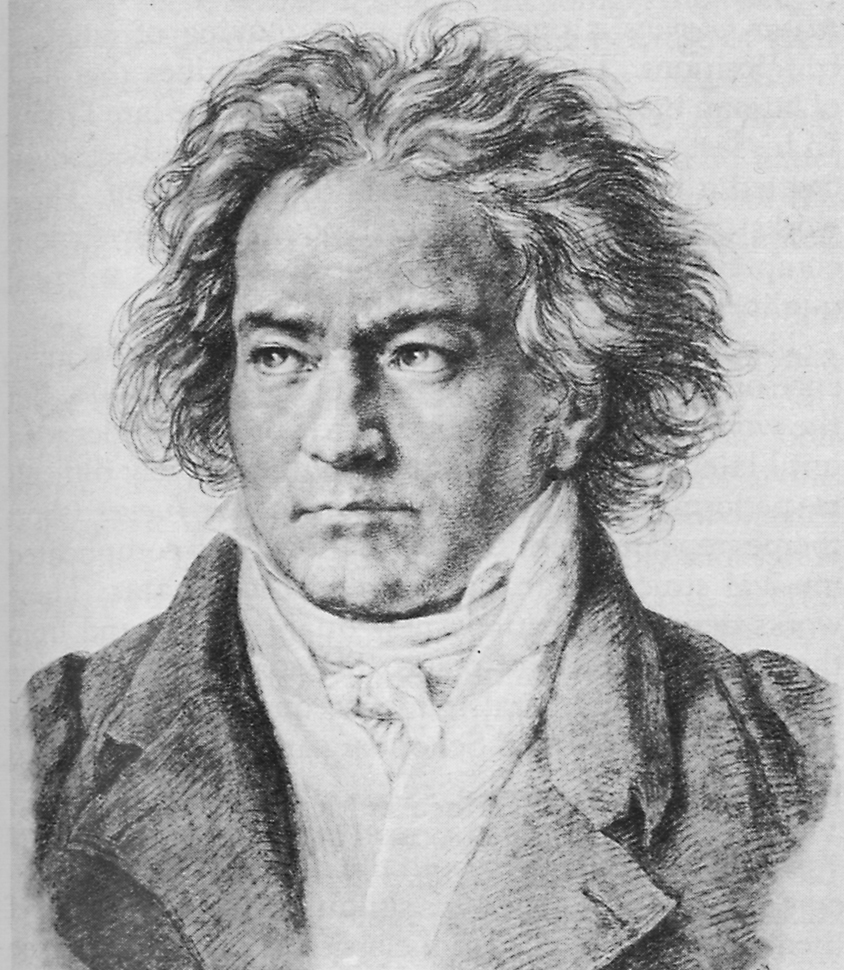
“Ode to Joy”
Use the embedded audio, video, and interactive sheet music on this page to teach, sing, and play “Ode to Joy.” Then, use the classroom activities to explore elements of melody, rhythm, and lyrics.
Repertoire: Singing, Basic Recorder, Recorder Star
Recorder Notes Needed:
Basic Recorder: G, A
Recorder Star: D, E, F#, G, A
National Standards: 1, 2, 4, 6, 7, 8, 10, 11
Jump to section:
Interactive Sheet Music
Classroom Activities
Learn fundamental concepts of music and engage in creative activities through a deeper exploration of the ideas and themes of the Link Up repertoire.
Discover Rhythmic Patterns
Use physical movement to explore rhythmic patterns in “Ode to Joy,” and come up with new ones.
Explore Melodic Contour
Explore how melodies rise and fall through drawing and physical movement.
Decode Melodies in “Ode to Joy”
Look at the same melody through different lenses in “Ode to Joy.”
Unlock Patterns in Musical Form
Discover how simple patterns form the building blocks of complex melodies.
Melody and Poetry in “Ode to Joy”
Explore how “Ode to Joy” uses music to express the powerful ideas in its lyrics.