The Elements of Melody
Aim: What fundamental elements do composers use to create great melodies?
Summary: Students investigate rhythm patterns, melodic contour, and form within melodies, and create their own melodies using these elements.
Standards: National 1, 2, 4, 7; NYC 1, 2, 3, 5
Vocabulary: call and response, contour, form, pattern, phrase, rhythm
In language, letters, words, and phrases provide the building blocks for communication. In music, composers create melodies using rhythmic patterns, melodic contour, and phrasing as building blocks. The balance of repetition and melodic surprises takes musicians and the audience on an exciting journey through the music.
Discover Rhythmic Patterns
- Sing and review the melody for “Ode to Joy” or using “Ode to Joy” (vocal part).
- Establish a steady beat in your feet, speaking the lyrics in rhythm, without pitch.
- Next, clap the rhythm of the lyrics as you keep the steady beat in your feet.
- When a series of notes and rests repeats, it forms a rhythmic pattern.
- Do you see any repeating patterns?
- How many times do these patterns repeat?
- Why do you think Beethoven chose to include repetition and patterns in his melody?
- Try this activity with “Come to Play,” “New World” Symphony, and “Oye.”
- Name that pattern: Show several rhythmic patterns from the Link Up repertoire or make up your own. As a class, speak, clap, or play each pattern. Then, play one of the patterns and have students identify which pattern is being performed. Students may also take turns leading this activity.
- Compose your own rhythmic patterns: Using the “Ode to Joy” and “Come to Play” rhythms in Melodies Are Made of Patterns (PDF), have students arrange and perform their own rhythmic patterns.
Explore “Umoja” Through Call and Response
- Umoja (pronounced “oo-MOH-juh”) is a Swahili word that means “unity.” Composer Valerie Coleman has said that this piece embodies a sense of “tribal unity” through the feel of a drum circle, the sharing of history through traditional call-and-response form, and the repetition of a memorable melody.
- Listen to “Umoja” (melody) and sing the main melody on a neutral syllable.
- Explore this melody through a class call-and-response. Assign one student or the teacher as the “leader” who plays or sings a phrase of the melody. The rest of the class responds by echoing or slightly altering the phrase.
- Experiment by singing with different emotions or expressive qualities.
- How does the melody change if it’s whispered, sung boldly, or played in a minor key?
- How can we communicate different ideas with the way we sing this melody?
- Listen to “Umoja” (complete) and notice how the instruments have a conversation with each other by passing the melody around the orchestra.
- When do you hear the melody? Which instrument(s) has the melody?
- How does the melody change as it is passed around the orchestra?
- If these instruments and melodies were having a conversation with words, what do you imagine they would be saying to each other?
Decode Melodies in “Ode to Joy”
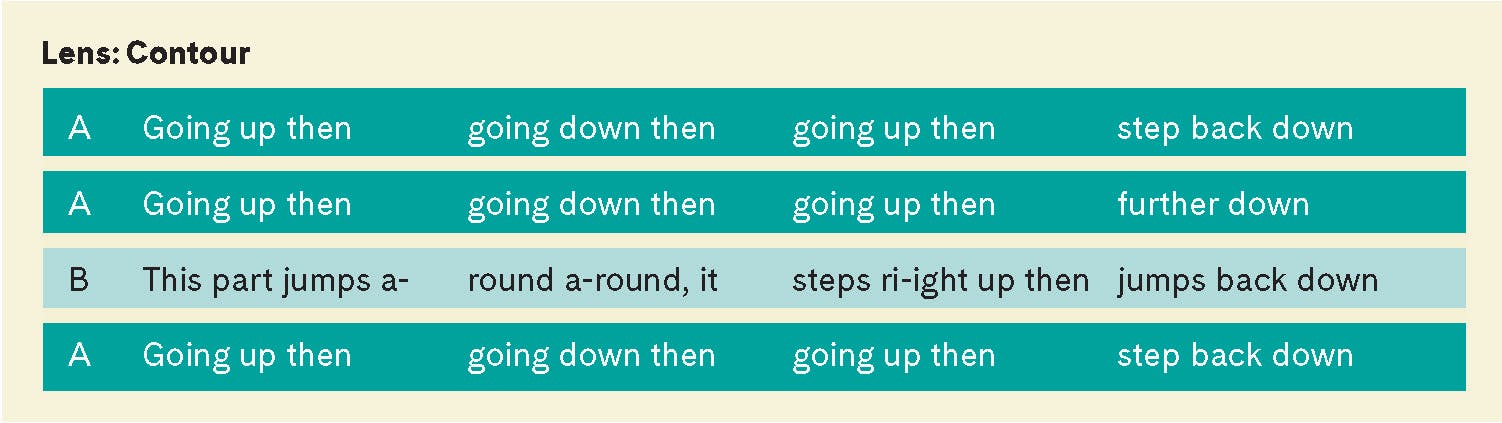
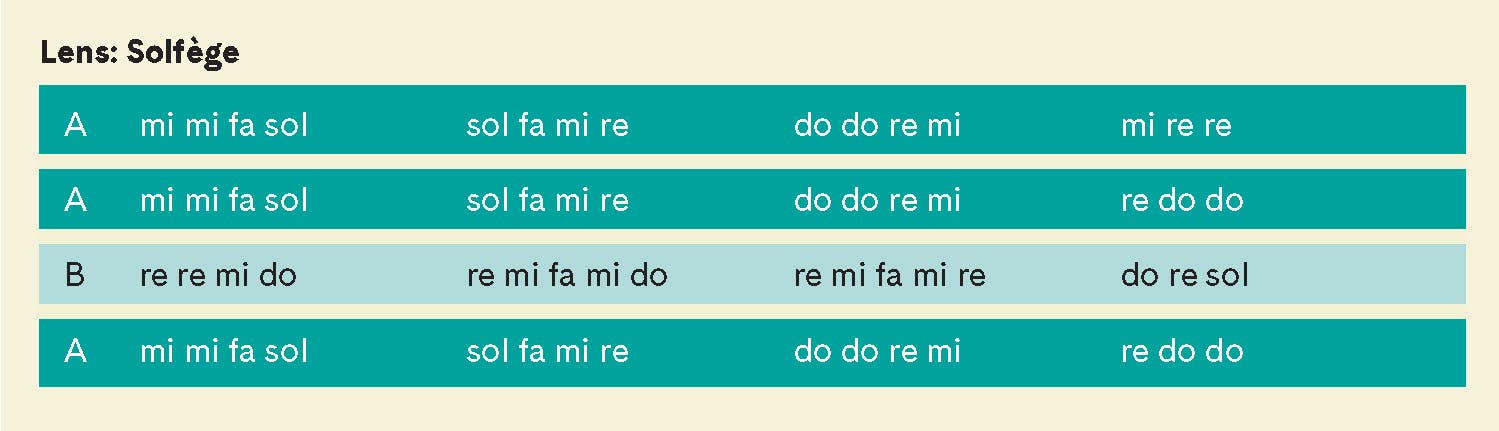
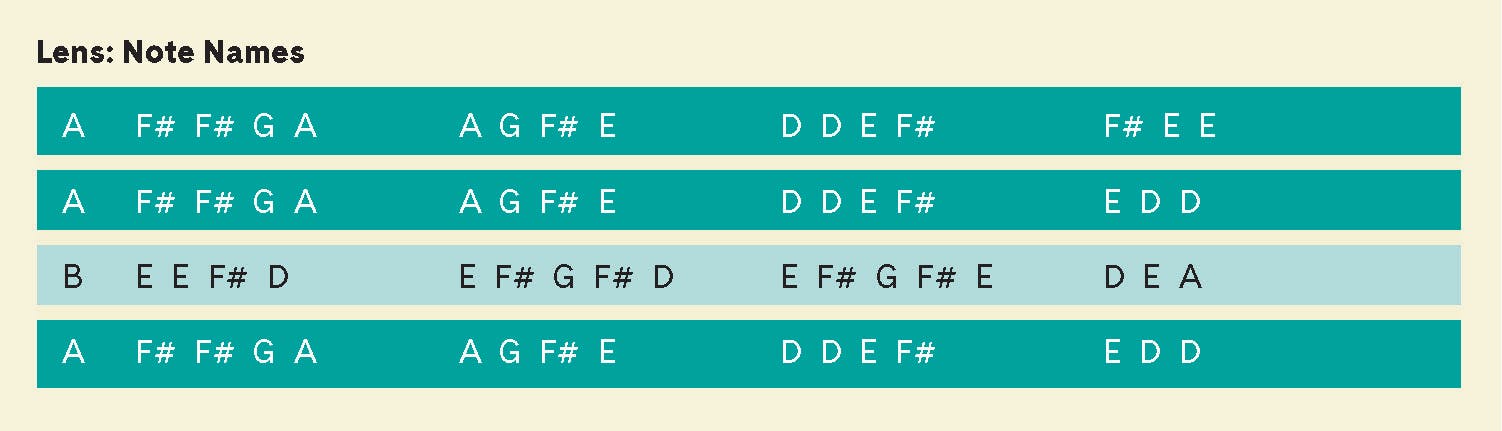
When musicians are learning a piece of music, they may use different musical lenses to decode the melodies. Explore these different lenses in “Ode to Joy.”